Estorytellers is a premier ghostwriting and book publishing agency that specializes in delivering high-quality writing solutions customized to the unique needs of authors and businesses. We are the most sought-after ghostwriting company that handles every aspect of your book writing, book publishing, and marketing all under one roof.

All these graphic novel publishing companies in USA continue to shape how visual stories reach readers, and we have worked with many authors who want clear guidance before choosing a publisher.
We have seen what works and what causes delays. This guide shares real insight from hands-on experience. You will find trusted names, honest explanations, and practical details you can act on today.
Graphic novels now reach schools, libraries, online stores, and mainstream bookstores. Because of this growth, choosing the right publisher matters more than ever. Each company below operates in the United States and supports creators in different ways.
| Rank | Company Name | Location (USA) | Best For |
|---|---|---|---|
| 1 | Estorytellers | Chicago | Custom graphic novels |
| 2 | Image Comics | Oregon | Creator-owned titles |
| 3 | Dark Horse Comics | Oregon | Genre fiction |
| 4 | IDW Publishing | California | Licensed stories |
| 5 | Boom! Studios | California | Youth and adult readers |
| 6 | Fantagraphics | Washington | Indie and literary works |
| 7 | Top Shelf Productions | Georgia | Author-driven projects |
| 8 | First Second Books | New York | Middle-grade and YA |
| 9 | Oni Press | Oregon | Fresh voices |
| 10 | Drawn & Quarterly | Canada / US Ops | Art-focused novels |
Graphic novels now sit beside novels and textbooks. Teachers use them in classrooms. Libraries stock them for all ages. Readers want strong visuals with meaningful stories.
Graphic novel publishers help creators with editing, printing, and distribution. They also help books reach Amazon, Barnes & Noble, comic shops, and schools.
Working with the right graphic novel companies saves time and avoids costly mistakes.
Estorytellers works well for creators who want a guided path and a clean, professional final book. Their team can help shape your plot, tighten dialogue, and plan panels so the story reads fast and clear. If you already have a script, they can polish it and match you with artists who fit your style.
Many clients use Estorytellers for custom graphic novels for kids, business stories, brand comics, and fiction series. They can help you prep files for print, eBook, and marketing use. You can review work in stages, so you stay in control. Learn more at estorytellers.com/us.
Estorytellers suits creators who want a clear process and professional results. Their hybrid approach gives authors more control than many traditional graphic novel publishers.
Contact Info:
Address: 1 East Erie St, Suite 525, Chicago, IL 60611, United States
Email: contact@estorytellers.com
Contact Number: WhatsApp
Official Website: https://estorytellers.com/us/

Image Comics works with creators who already have a finished or near-finished project. Authors submit completed pitches with scripts, artwork samples, and a full plan. Once accepted, Image focuses on production and distribution rather than story development. Creators stay fully responsible for creative decisions, deadlines, and promotion. Image reviews files for print quality and consistency, then handles printing and shipping to retailers.
Authors keep full ownership of their work, which many professionals value. Because Image expects high standards, creators should arrive prepared. This model suits teams who want independence and already understand the publishing process. Communication stays professional and deadline-focused.
Image works well for creators who already have polished content.
Contact Info:
Address: PO Box 14457, Portland, Oregon 97293
Contact Email: digital@imagecomics.com
Contact Number: NA
Official Website: https://imagecomics.com/

Dark Horse assigns editors who work closely with writers and artists during development. The process starts with pitch review and moves into structured feedback on story flow and art direction. Editors help tighten scripts and improve pacing without changing the creator’s voice.
Dark Horse follows clear production schedules and keeps creators informed about deadlines and revisions. Authors receive guidance on series planning, especially for long projects. Licensing projects involve extra review steps to meet brand standards. Communication stays steady and professional. Creators who value editorial structure and long-term planning often feel supported through Dark Horse’s organized workflow.
If your graphic novel fits genre readers and you want a strong comic-store presence, Dark Horse can be a great match.
They remain one of the best graphic novel publishers for long-running series.
Contact Info:
Address: 10956 SE Main Street, Milwaukie, OR
Contact Email: dhartsubmissions@darkhorse.com
Contact Number: (503) 652-8815
Official Website: https://www.darkhorse.com/

IDW uses a structured editorial process with clear expectations. Writers usually begin with a formal pitch that outlines story direction, tone, and audience. Editors provide feedback early, which helps avoid major changes later. For licensed projects, creators follow style guides and approval steps, which IDW manages carefully.
Original works receive more creative flexibility, yet deadlines remain firm. IDW keeps creators informed during printing and release planning. Marketing teams may request author input for promotions. The process works best for creators who appreciate structure and clear rules. IDW values reliability, communication, and consistency throughout each publishing stage.
IDW fits creators with licensed or franchise-ready concepts.
Contact Info:
Address: 14144 Ventura Blvd, Suite 210, Sherman Oaks, CA 91423
Contact Email: letters@idwpublishing.com
Contact Number: NA
Official Website: https://idwpublishing.com/

BOOM! Studios works closely with authors during early development. Editors focus on character depth, story clarity, and pacing from the start. Writers receive notes that help shape arcs and future volumes. Artists collaborate with editors to match visual tone with the story’s mood.
BOOM! also supports creators by planning releases that fit current reader demand. Communication stays active through scheduled check-ins. Deadlines remain clear, yet support stays available when questions arise. BOOM! values teamwork and long-term growth. Creators who enjoy collaboration and structured feedback often find the process smooth and productive.
They rank high among graphic novel companies with crossover appeal.
Contact Info:
Address: 5670 Wilshire Blvd, Ste 400, Los Angeles, California, 90036, USA
Contact Email: contact@boom-studios.com
Contact Number: NA
Official Website: https://www.boom-studios.com/
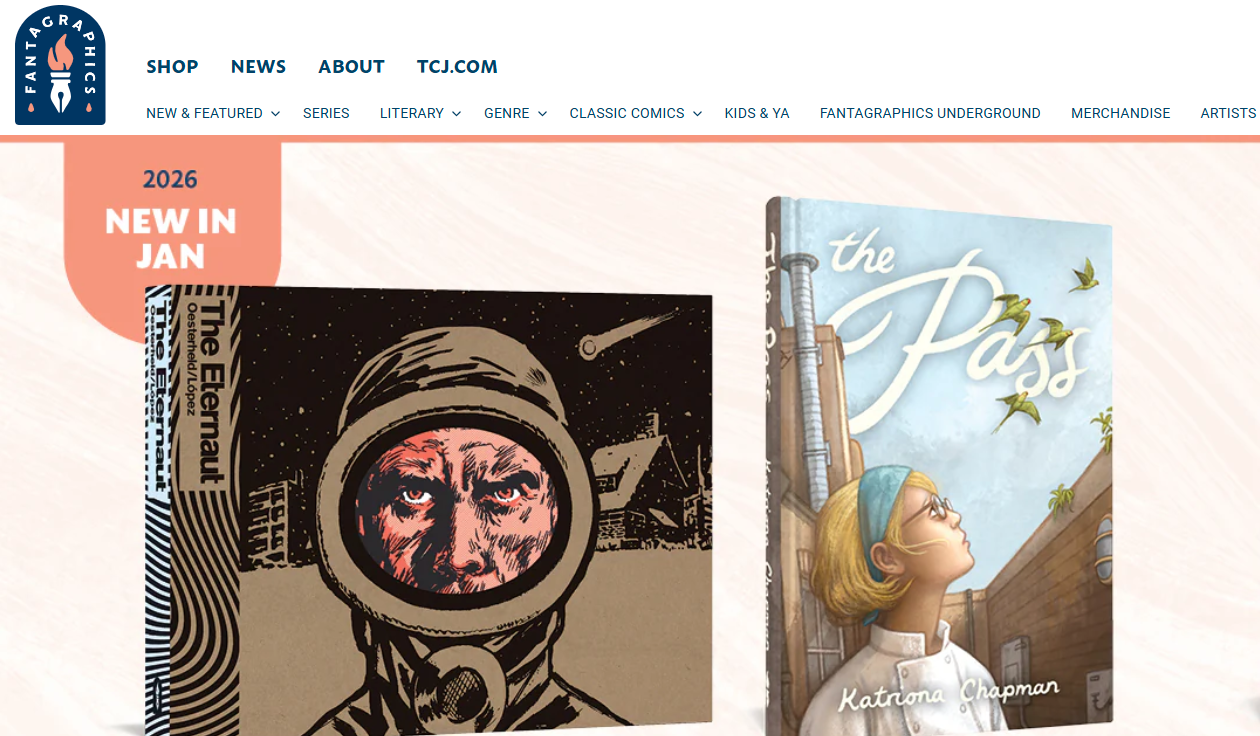
Fantagraphics respects author voice and allows creators strong creative freedom. Editors focus on clarity, structure, and consistency rather than trend alignment. Authors usually work closely with one editor throughout the project. Feedback stays thoughtful and detailed. Production timelines move at a careful pace to protect quality.
Fantagraphics handles design and printing with strong attention to detail. Marketing focuses on reviews, bookstores, and long-term sales rather than quick launches. Creators who value patience and depth often appreciate this approach. Communication remains honest and focused on the book’s artistic integrity rather than speed.
They remain one of the best independent comic book publishers in the U.S.
Contact Info:
Address: 7563 Lake City Way NE, Seattle, WA 98115
Contact Email: superlativesubmissions@fantagraphics.com
Contact Number: 1 (800) 657 11000
Official Website: https://www.fantagraphics.com/
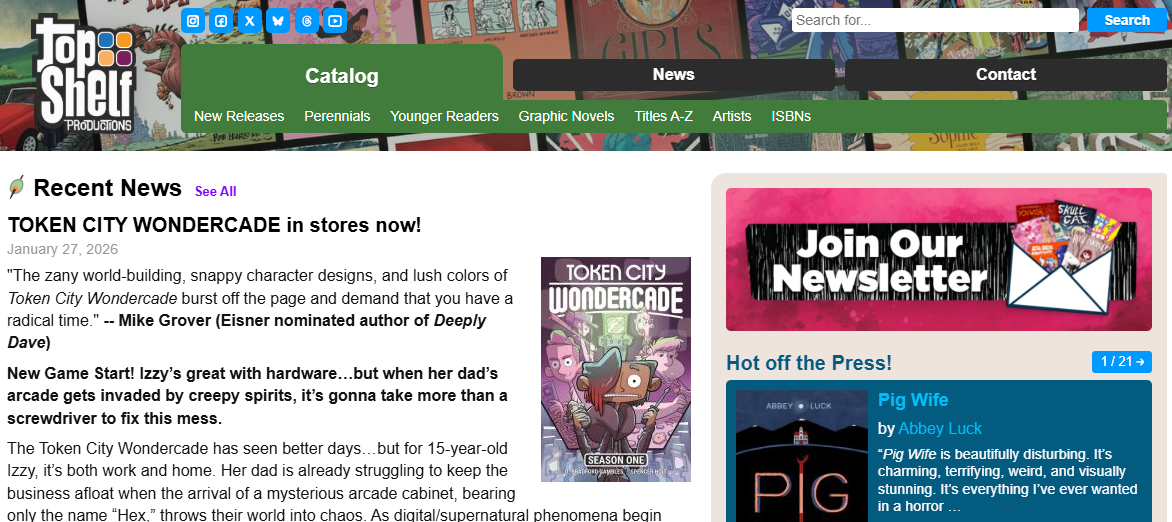
Top Shelf uses a relationship-driven publishing process. Editors spend time understanding the creator’s message and audience. Early drafts receive constructive notes that improve flow and clarity. Authors stay involved in decisions related to cover design, format, and pacing. Top Shelf also considers how books fit schools and libraries during development.
Deadlines stay realistic, and communication remains open. Marketing teams collaborate with authors for events and outreach. This publisher works well for creators who want steady support and long-term visibility. Their process feels personal, organized, and respectful of author intent.
Their approach fits creators who want close collaboration.
Contact Info:
Address: c/o Idea & Design Works, LLC,14144 Ventura Blvd Ste 210, Sherman Oaks CA 91423, USA
Contact Email: superlativesubmissions@fantagraphics.com
Contact Number: 1 (800) 657 11000
Official Website: https://www.fantagraphics.com/
First Second works closely with authors writing for children and teens. Editors guide writers through age-appropriate storytelling and clear themes. Story structure and page flow receive strong attention early. Artists receive guidance to ensure visuals stay readable for young audiences.
First Second also coordinates feedback from educators and librarians when needed. Authors receive clear timelines and revision notes. The team helps prepare books for school and bookstore placement. Communication remains friendly and professional. Creators who want guidance without losing control often feel supported. The process focuses on clarity, learning value, and reader engagement.
They remain a top choice among graphic novel publishers for young readers.
Contact Info:
Address: 01 First Second, 120 Broadway, New York, NY 10271
Contact Email: mail@firstsecondbooks.com
Contact Number: NA
Official Website: https://firstsecondbooks.com/
Oni Press supports creators with unique voices and modern ideas. Editors work closely with writers to shape tone, pacing, and character depth. The process begins with clear pitch discussions and moves into structured revisions. Oni allows creative freedom while maintaining quality standards.
Artists collaborate with editors on layout and visual rhythm. Production schedules remain firm, yet communication stays open. Marketing teams may involve creators in outreach and events. Oni works well for authors who bring strong concepts and want guidance without heavy restrictions. Their process feels flexible, focused, and creator-friendly.
They balance creativity with solid market reach.
Contact Info:
Address:319 SE Martin Luther King Blvd., Ste. 216, Portland, OR
Contact Email: storeadmin@onipress.com
Contact Number: NA
Official Website: https://www.onipress.com/
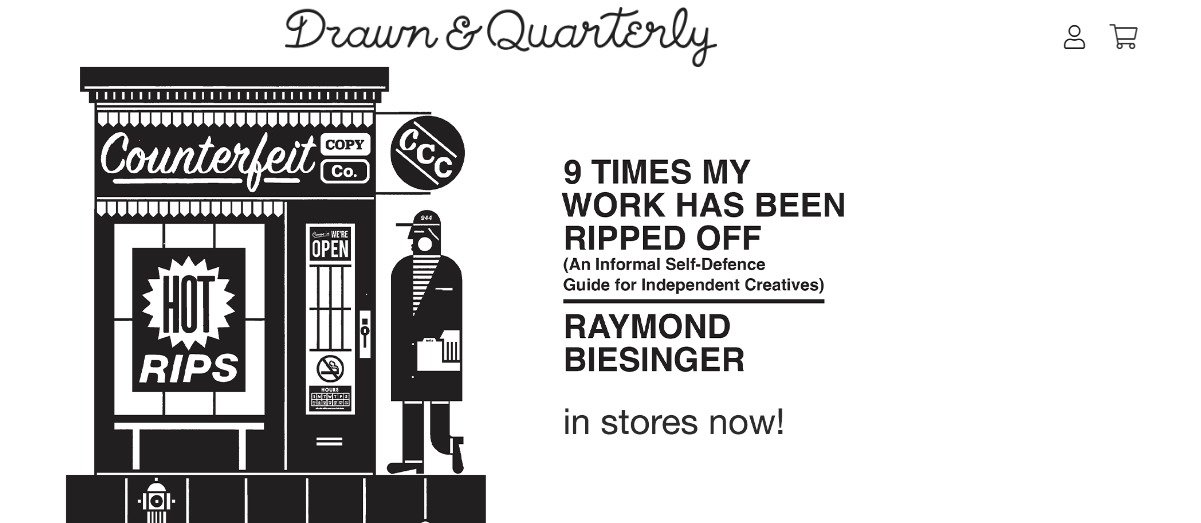
Drawn & Quarterly works at a thoughtful pace that supports deep storytelling. Editors focus on structure, clarity, and emotional flow. Authors often work closely with the same editor throughout development. Revisions receive detailed feedback rather than rushed notes. Design and printing receive strong attention to detail.
Marketing plans aim for long-term bookstore presence and critical reviews. Authors remain involved in design discussions. This process suits creators who value patience and quality. Communication stays respectful and focused. Drawn & Quarterly supports books meant to last, not just launch quickly.
They appeal to creators who value visual storytelling above trends.
Contact Info:
Address: Montreal, Quebec
Contact Email: weborders@drawnandquarterly.com
Contact Number: NA
Official Website: https://drawnandquarterly.com/
Every graphic novel project has different needs. Some creators want full control. Others want guidance. Budget, timeline, and experience level all play a role. The right decision saves time, money, and stress.
Before signing with any graphic novel companies, review how they work with creators step by step. Clear answers matter more than big promises.
| Factor | What to Look For | Why It Matters |
|---|---|---|
| Ownership Rights | Who owns the story and art | Protects long-term value |
| Editing Support | Script and visual feedback | Improves story quality |
| Distribution Reach | Bookstores, Amazon, schools | Expands reader access |
| Marketing Help | Launch plans and promotion | Boosts visibility |
| Timeline Clarity | Clear milestones | Prevents delays |
Strong graphic novel publishers explain each phase clearly. They share contracts in plain language and confirm deadlines early. They also explain revision limits and approval steps.
Choose publishers who answer questions directly. Avoid vague replies. Clear structure leads to better results and smoother collaboration.
Each publishing model serves a different type of creator. No option fits everyone. Understanding the differences helps you choose wisely.
| Model | Creative Control | Cost | Publishing Speed | Best For |
|---|---|---|---|---|
| Traditional | Low | Low | Slow | Experienced creators |
| Hybrid | Medium | Medium | Medium | Guided creators |
| Self-Publishing | High | High | Fast | Independent creators |
Traditional graphic novel publishers handle printing and distribution, yet control stays limited. Approval steps take time.
Self-publishing offers full control but requires large upfront costs. Creators handle editing, design, and marketing alone.
Hybrid models balance both sides. Many modern graphic novel publishers now offer this approach. Creators keep involvement while receiving professional support.
Hybrid publishing works well for creators who want guidance without losing direction. This model continues to grow across graphic novel companies in USA.
Also Read: Top 10 Hybrid Publishing Companies in USA
Estorytellers stands out because the process stays simple and transparent. Authors know what happens next. No steps feel hidden or rushed.
Estorytellers works well for creators at different stages. First-time authors receive guidance without pressure. Business authors get structured storytelling support. Educators benefit from reader-friendly layouts. Fiction writers keep creative input throughout.
Our team explains editing, illustration, printing, and delivery in plain terms. That clarity reduces stress and avoids confusion.
Many creators choose Estorytellers because expectations stay realistic. Deadlines remain clear. Feedback stays organized.
This approach helps creators finish strong and publish with confidence.
| Common Mistake | What Goes Wrong | Why It Causes Problems |
|---|---|---|
| Skipping contract review | Hidden ownership limits | Loss of character or story rights |
| Unclear timelines | Missed milestones | Delays in editing and printing |
| Weak production planning | Poor coordination | Confusion between writing, art, and layout |
| Assuming marketing is included | No promotion support | Low visibility after release |
| Poor budget planning | Surprise expenses | Extra costs for revisions or formatting |
Publishers who answer these questions clearly reduce risk and help projects move smoothly.
| Priority | What Authors Expect | Why It Matters |
|---|---|---|
| Clear process | Step-by-step publishing flow | Prevents confusion |
| Consistent feedback | Clear editorial notes | Improves story quality |
| Distribution clarity | Where books will sell | Sets realistic expectations |
| Strong communication | Fast and direct replies | Reduces stress |
| Creative respect | Balanced decision-making | Protects author vision |
These practices help authors build long-term publishing relationships and release stronger graphic novels with confidence.
Choosing from the top graphic novel publishing companies in USA takes careful planning. Each publisher listed here serves a clear purpose. Some favor creator control. Others offer wide retail reach.
If you want hands-on guidance, creative control, and a clear path to print, Estorytellers deserves serious attention.
Visit Estorytellers to discuss your idea, review your concept, and start your graphic novel with confidence. Their team helps you move from idea to published book without confusion. Your story deserves the right publishing partner.
Graphic novels are published by traditional publishers, hybrid publishers, and self-publishing creators. Traditional graphic novel publishers like Image, Dark Horse, IDW, BOOM!, and First Second handle printing and distribution. Hybrid companies like Estorytellers guide authors through story, art, layout, and launch steps. Self-publishing works when you manage everything on your own.
Publish your graphic novel based on your goals. Choose a traditional publisher if you already have a strong pitch and want wide store reach. Choose a hybrid option like Estorytellers if you want guided support and clear steps. Select self-publishing if you want full control and can handle editing, art, and marketing costs.
The 7 major types of graphic novels often include: superhero, fantasy, sci-fi, horror, romance, nonfiction or memoir, and slice-of-life or literary fiction. Many publishers support more than one type. For example, Dark Horse fits genre stories, First Second fits kids and teens, and Fantagraphics fits indie and literary work.
Costs depend on the publishing model. Traditional publishing usually costs less upfront, yet approval steps take longer. Hybrid publishing has medium costs and includes guided support like editing and art planning. Self-publishing costs the most because you pay for writing, art, layout, printing, and marketing. Expenses change based on page count and art style.
Collaborate with our team of highly skilled ghostwriters and editors to bring your concepts to life in the form of a compelling nonfiction book that earns a spot on the shelves.
 You get subject matter experts
 You get customized samples
 You get unlimited revision*
From ghostwriting to publishing, printing, and marketing — we help you become the author you were meant to be.
📘 Ghostwriting | 🖨 Publishing & Printing | 📢 Book Marketing
✅ 100% Royalties | 📈 Amazon SEO | ✍ All Genres
Get Started Today